Views: 0 Author: Site Editor Publish Time: 2026-07-10 Origin: Site
Transitioning from standard EVA or polyolefin adhesives to Polyurethane Reactive (PUR) adhesives marks a significant operational shift for industrial assembly lines. Manufacturers make this move to achieve superior bond strength, volatile temperature resistance, and clean aesthetics. However, working with PUR presents a unique set of challenges. Its defining characteristic—a moisture-curing chemical process—means it cannot be exposed to ambient humidity. If moisture enters the system, the adhesive undergoes irreversible cross-linking inside the machinery. This results in catastrophic equipment failure, complete line blockages, and costly production downtime.
To safely and effectively process these advanced adhesives, manufacturers must invest in specialized, hermetically sealed dispensing systems. A standard melter simply will not work. This guide serves as a technical roadmap for first-time buyers transitioning to a dedicated PUR glue machine. We will explore how to evaluate different system formats, select the right pumping mechanisms, and implement strict maintenance protocols to ensure maximum uptime in your production environment.
System Sealing is Non-Negotiable: PUR requires closed-system equipment with nitrogen blankets, desiccant dryers, or airtight O-ring sealed platens to prevent premature moisture-curing inside the tank, hoses, and nozzles.
System Format Dictates Scale: Buyers must choose between portable cartridge-fed systems for low-volume/on-site tasks and bulk hot melt tank or drum unloader systems for continuous industrial production.
Pump Selection Drives Accuracy: Choosing between pneumatic piston pumps and gear pumps dictates dispense precision, with a Gear Pump PUR Hot Melt Glue Machine being mandatory for continuous, high-tolerance automated applications.
Maintenance Dictates Uptime: Successful PUR implementation requires strict adherence to purging protocols, temperature zoning (typically 85°C to 140°C), preheating schedules, and short-term nozzle sealing practices.
Application Dictates Configuration: Equipment specifications must be reverse-engineered from the substrate type, required melt rate, and industry (e.g., Automotive Assembly PUR Hot Melt Machine setups vs. edge-banding woodworking systems).
Upgrading to PUR is usually driven by specific performance requirements. Manufacturers need structural integrity, resistance to extreme temperatures, and the ability to bond difficult substrates like engineered plastics, glass, and metals. Traditional hot melts often fall short in these demanding applications, prompting the shift to reactive polyurethane technology. When you look at the demands of modern manufacturing, the baseline requirements for adhesion have simply outgrown what standard EVA can provide.
The core difference lies in the chemistry. PUR utilizes a dual-cure process. First, it cools and sets like a traditional hot melt, providing initial green strength. Over the next 24 to 48 hours, it undergoes a chemical cross-linking process triggered by ambient moisture. This secondary cure creates an incredibly strong, permanent bond. Because moisture initiates this reaction, the adhesive must be processed in specialized, airless machinery to prevent it from curing before it reaches the substrate. If you expose PUR to the air inside a standard melting pot, it will begin to cure immediately, turning into an unusable, solid block of plastic.
Another major advantage of PUR is its low-temperature application. It typically operates between 85°C and 140°C (185°F to 284°F), significantly lower than the 170°C+ required for standard hot melts. This lower temperature profile protects heat-sensitive substrates from warping, reduces overall energy consumption, and decreases burn risks for operators on the floor. When you are working with thin PVC films or delicate wood veneers, applying adhesive at 170°C will cause immediate distortion. PUR solves this problem entirely.
Attempting to run PUR through standard equipment is a recipe for disaster. Without hermetic sealing, ambient moisture quickly penetrates the system. This causes rapid charring, gelation, and permanent line blockages. Once PUR cures inside standard hoses or tanks, the components are usually ruined and must be completely replaced. You cannot simply melt it out again; the chemical change is permanent. This is why understanding the equipment requirements is just as important as understanding the adhesive itself.
Feature | Traditional Hot Melt (EVA) | Polyurethane Reactive (PUR) |
|---|---|---|
Curing Process | Thermal cooling only | Thermal cooling + Moisture cross-linking |
Operating Temperature | 170°C - 200°C | 85°C - 140°C |
Equipment Requirement | Standard open tank | Hermetically sealed system |
Bond Strength | Moderate | Extremely High (Structural) |
Temperature Resistance | Prone to re-melting | Thermoset (Will not re-melt) |
Selecting the correct equipment format depends entirely on your production volume and application environment. Systems range from small, portable units to massive industrial unloaders. You must match the machine to your actual daily throughput to avoid wasting adhesive or starving your production line.
For small-scale operations, product assembly prototyping, or on-site trim carpentry, portable hand-held cartridge guns are highly effective. These typically use 50ml or 10-oz (310ml) aluminum cartridges. They offer flexibility and require minimal setup. You can move them around a shop floor easily, and they are perfect for tasks where you only need a few beads of adhesive at a time.
However, they come with limitations. The consumable cost per pound of adhesive is much higher when bought in small cartridges. Furthermore, they are only suitable for intermittent production due to the need for manual reloading. If you are running a continuous assembly line, stopping every twenty minutes to swap a cartridge will destroy your throughput metrics.
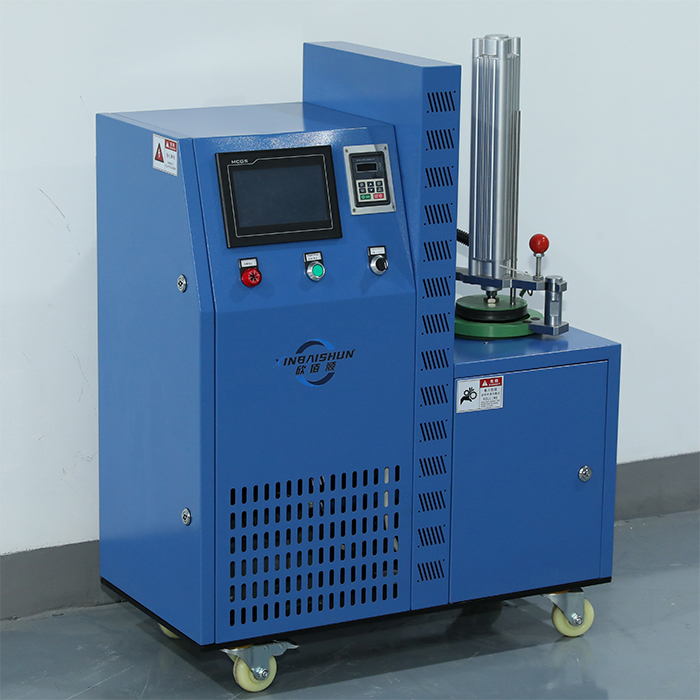
Continuous-run factories require bulk melting systems. These units process adhesive directly from 2-liter foils, 5-gallon pails, or 55-gallon drums. A specialized hot melt tank or drum unloader is engineered with flat-bed platens and airtight seals. This design preserves adhesive integrity over long shifts, ensuring consistent flow without the risk of moisture contamination.
When dealing with 5-gallon pails or 55-gallon drums, the unloader uses a heated platen equipped with high-temperature O-rings. This platen presses down into the drum, melting only the top layer of adhesive. The rest of the drum remains solid and protected from ambient moisture. This melt-on-demand approach is crucial for processing large volumes of PUR without degrading the entire batch.
A commercial PUR system relies on specific engineering features to manage the reactive nature of the adhesive. Understanding these components helps in selecting the right machine for your facility. You need to know exactly what is happening inside the machine to maintain it properly.
PUR-specific bulk melters feature airtight pneumatic platens that press down on the adhesive, melting only what is needed. The interior surfaces are often Teflon-coated to facilitate easier cleaning and prevent cured material from adhering. Many systems also incorporate inert gas (nitrogen) injection or desiccant dryers to displace oxygen and moisture, creating a safe environment for the molten adhesive. If you open the lid of a proper PUR tank, you will see a complex sealing mechanism designed specifically to keep the factory air out.
Pump selection is critical for application accuracy. A Gear Pump PUR Hot Melt Glue Machine uses positive displacement mechanics to deliver highly precise, continuous beads or sprays. Gear pumps maintain consistent volumetric output regardless of minor viscosity fluctuations or temperature swings. They physically trap a specific volume of adhesive between the gear teeth and force it out the other side.
In contrast, pneumatic piston pumps are better suited for intermittent, lower-precision, or hand-held applications where exact volume control is less critical. Piston pumps rely on air pressure, which can fluctuate, leading to inconsistent bead sizes. If your application requires a precise 2mm bead applied at high speed, a gear pump is the only viable option.
The journey from the tank to the nozzle must be carefully controlled. Systems require independent multi-zone temperature control across the hoses and applicator heads. This prevents thermal degradation from overheating and stops premature curing caused by cold spots in the delivery line. If a hose drops below the required temperature, the PUR will thicken, causing pressure spikes and inconsistent dispensing at the nozzle.
Verify the tank seals and O-rings are intact before powering on.
Check the nitrogen blanket pressure gauge to ensure moisture displacement.
Confirm the gear pump is rotating smoothly without abnormal grinding noises.
Inspect all heated hose connections for signs of adhesive weeping.
Calibrate the applicator head temperature zones to match the tank settings.
Different industries demand different configurations. Equipment specifications must align with the substrate, production speed, and required bond characteristics. You cannot take a machine designed for edge banding and expect it to perform well in a high-speed packaging environment.
In the automotive sector, an Automotive Assembly PUR Hot Melt Machine faces strict requirements. Bonding interior trim, door panels, headliners, and weather-stripping requires seamless robotic integration. These systems need precise multi-head dispensing, high melt rates, and extreme repeatability to keep up with fast-paced assembly lines. The adhesive must hold components securely during the initial assembly while the secondary moisture cure takes place over the next few days.
Woodworking applications like edge banding, profile wrapping, and cabinet assembly rely heavily on PUR for its moisture resistance and tight bond lines. For production trim carpentry, the equipment must balance rapid green strength (initial tack) with enough open time to allow for manual or automated alignment before the adhesive sets. Profile wrapping, in particular, requires a very thin, consistent film of adhesive applied via a slot die, which demands a highly accurate gear pump system.
Packaging operations require ultra-fast set times. Systems designed for clear-case manufacturing, moisture-resistant shipping boxes, and high-speed automated carton sealing must deliver precise amounts of adhesive rapidly without stringing or tailing. In these environments, the dispensing heads must actuate in milliseconds, requiring specialized pneumatic or electric solenoid valves integrated directly into the applicator heads.
When evaluating different machines, focus on technical specifications that directly impact your production efficiency and adhesive performance. Do not just look at the physical size of the machine; look at its processing capabilities.
Calculate your required adhesive volume per hour accurately. Over-sizing the tank subjects the adhesive to excessive heat cycles, which degrades performance and increases charring. Under-sizing starves the production line and forces operators to wait for the machine to catch up. You need to know exactly how many grams of adhesive you apply per part and multiply that by your hourly production rate to find your required melt rate.
Look for systems capable of holding precise application temperatures within ±1°C. Automatic standby temperature setback modes are crucial. These modes drop the temperature during lunch breaks or shift changes, preventing adhesive curing and charring while allowing for a rapid return to operating temperature. If you leave PUR at full operating temperature for several hours without dispensing, it will begin to degrade and increase in viscosity.
Assess the machine's ability to process varying PUR formulations. Some applications require low-viscosity sprayable PURs, while others need high-viscosity structural extrusion grades. Ensure the pump and heating zones can handle your specific adhesive type. High-viscosity adhesives require more robust pumps and larger diameter hoses to prevent excessive backpressure.
Operating a PUR system requires strict adherence to maintenance and handling protocols to prevent catastrophic equipment failure. You cannot treat a PUR machine like a standard hot melt tank. Neglect will result in a machine full of cured, rock-solid plastic.
Proper preheating is mandatory. Handheld cartridges typically require 15 to 20 minutes to reach the correct temperature. Bulk tanks have specific ramp-up times based on their capacity. Never attempt to dispense adhesive before the system has fully reached its target temperature, as this can damage the pump and hoses. Forcing a gear pump to turn while the adhesive is still semi-solid will shear the drive shaft or burn out the motor.
Follow a precise power-down sequence to prevent moisture from back-drafting into the nozzles. Isolate the heating zones appropriately depending on whether you are executing a short-term halt or a long-term shutdown. For a weekend shutdown, you must ensure the system is completely sealed and the temperature is dropped to the manufacturer's recommended standby level.
Flushing the system requires non-reactive blue or white PUR purging compounds, typically EVA or specialized non-reactive polymers. Establish realistic daily, weekly, and shutdown maintenance routines to flush reactive materials out of the lines and prevent system-wide curing. You must push the purge compound through until it runs completely clear, ensuring no reactive PUR remains in the hoses or nozzles.
Lower the tank temperature to the recommended purging level.
Dispense the remaining PUR adhesive from the tank and hoses.
Load the non-reactive purging compound into the tank.
Pump the purge compound through the system until the output changes color.
Wipe down the applicator nozzles and seal them with protective grease.
During overnight or weekend downtime, protect partially used cartridges and seal bulk nozzles. Best practices include using protective grease, specialized nozzle caps, or moisture-barrier storage bags to keep ambient humidity away from the adhesive interface. If you leave a nozzle exposed to the air overnight, you will spend the first hour of your next shift trying to drill out a cured plug of adhesive.
Handling reactive adhesives involves a learning curve. Operators must be trained on safety protocols for pressurized, heated systems. Ensure adequate ventilation to handle minor isocyanate off-gassing during the application process. Operators must wear appropriate thermal PPE, including heat-resistant gloves and safety glasses, whenever interacting with the molten adhesive or the heated components of the machine.
When evaluating the financial impact of upgrading to PUR, you must look beyond the initial purchase price. Compare the higher initial cost of a specialized, hermetically sealed machine against the long-term savings from reduced adhesive waste, lower reject rates, and superior bond durability. A cheaper, unsealed machine will cost you significantly more in ruined adhesive and replacement parts over its lifespan.
Evaluate the trade-offs between buying a standalone bulk melter versus a modular system that can accept additional hoses, external gear pumps, and applicator heads as production demands scale. A modular system allows you to expand your capabilities without purchasing an entirely new base unit. Assess the return on investment of premium features like automated purging cycles, integrated pressure relief valves, or advanced diagnostic interfaces in reducing maintenance-related downtime.
Investing in a dedicated, hermetically sealed PUR system is a fundamental requirement for utilizing polyurethane reactive adhesives safely and effectively. Standard equipment will fail and ruin your capital investment. To ensure success, follow these steps:
Audit your current production line speeds and volume requirements to determine exact melt rate needs.
Match your application format and pump type to your specific tolerance and dispensing requirements.
Request a substrate bonding and compatibility test from your adhesive manufacturer.
Schedule an equipment demonstration with a qualified systems integrator to verify performance under real-world conditions.
A: A PUR tank features hermetic sealing, nitrogen or dry-air blankets, and Teflon coatings to prevent ambient moisture from entering the system. Standard tanks are open to the air, which causes PUR to cure prematurely and block the machinery.
A: PUR undergoes a chemical cross-linking process during its secondary moisture cure. This creates a thermoset bond that will not re-melt when exposed to extreme environmental heat or cold, unlike traditional thermoplastic hot melts.
A: PUR typically operates between 85°C and 140°C (185°F to 284°F). This is significantly cooler than traditional hot melts, which helps protect delicate substrates from heat damage and reduces energy consumption.
A: While PUR provides strong initial green strength as it cools, the full chemical moisture cure takes anywhere from 24 to 48 hours depending on ambient humidity and the specific adhesive formulation.
A: Yes, but only if the machine is properly sealed and put into a standby temperature mode. You must also seal the nozzles with protective grease or caps to prevent moisture from entering the dispensing end.
A: Moisture triggers the chemical curing process. The adhesive will cross-link and harden inside the tank, hoses, and pumps, resulting in permanent blockages that usually require complete replacement of the affected components.