
Views: 0 Author: Site Editor Publish Time: 2025-12-23 Origin: Site
Installing a Hot Melt Glue Machine for your production line is a crucial step that can affect both your operational efficiency and the overall adhesive performance. Whether you're upgrading an existing line or setting up a new system, ensuring proper installation is key to achieving optimal adhesion and long-term machine reliability. This guide will take you through the essential steps to install a hot melt glue machine correctly, with a focus on safety, performance, and durability, so that you can make the most of your equipment.
Before you begin the installation process of your Hot Melt Glue Machine for electronics, there are a few key considerations that will help ensure everything is set up correctly.
First, ensure that the workspace where the hot melt glue machine for packaging will be installed is adequate. The environment should be well-ventilated and away from any sources of flammable materials, water, or excessive moisture. As molten adhesive is applied at high temperatures, the risk of fire or overheating is significant. Make sure the room is dry and has sufficient space for both the machine and the operators.
Additionally, you will need space for proper air circulation around the machine to prevent overheating and ensure the equipment can function efficiently.
Next, ensure the electrical supply is adequate for the machine. The hot melt glue machine for plastic will need a stable power supply that matches the voltage and current specifications provided by the manufacturer. Incorrect voltage could result in poor performance, electrical malfunctions, or even damage to the system. Proper electrical grounding is also essential to prevent electrical shocks. All electrical connections must be secure and meet the required standards to guarantee safety during operation.
Some hot melt glue machines require compressed air to operate, especially those using pneumatic systems or air-assisted glue guns. If your machine falls into this category, ensure you have a reliable compressed air supply. The air hoses should be routed in a way that avoids kinks or pressure loss. It is also important to check that air pressure regulators are properly installed and adjusted to the correct pressure settings to ensure stable operation.
Once you've prepared the workspace and checked that all necessary supplies are in place, it’s time to begin the actual installation of your hot melt glue machine.
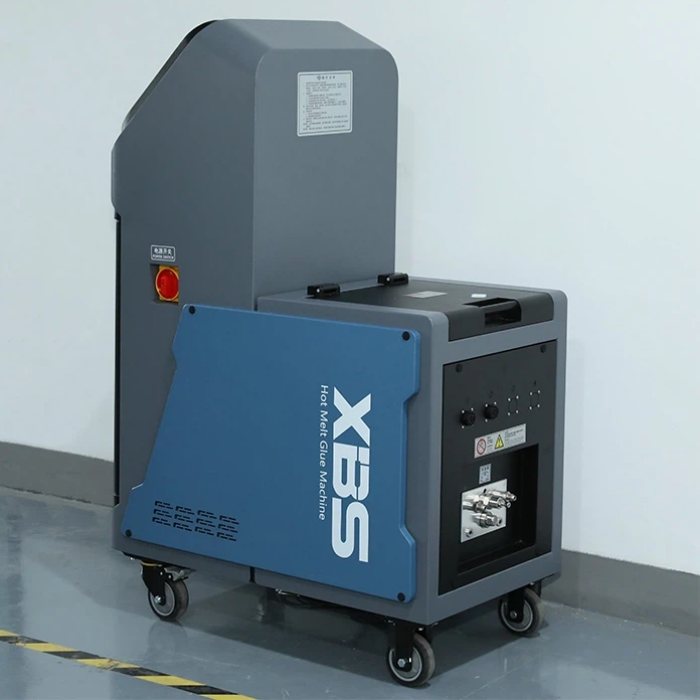
Start by securely mounting the main unit of the hot melt glue machine for foam . Ensure the unit is placed on a stable, level surface. If the machine has adjustable legs or mounting brackets, make sure to adjust them to keep the machine perfectly horizontal. This is critical for ensuring consistent adhesive flow and preventing any strain on the internal components during operation.
After mounting the unit, the next step is to connect the hoses and glue guns or applicators. Ensure that each hose is correctly attached to the machine's adhesive output and that all connections are tight. Loose or improperly connected hoses can lead to leaks, inconsistent adhesive application, or pressure loss. The glue gun or applicator should also be securely connected to the hoses to avoid leaks and ensure the correct application of adhesive.
With the machine physically set up, the next step is to handle the wiring. Connect the machine to the power supply, ensuring that all connections are made according to the manufacturer’s specifications. Install any necessary circuit breakers and ensure that the machine is properly grounded to avoid electrical hazards. If the hot melt glue machine has an automated system, connect any control systems or sensors as per the instructions. This will ensure proper functionality and allow the system to operate as intended.
If your system requires compressed air, you’ll need to connect the compressor, air pressure regulator, and solenoid valves. Ensure the air supply is stable, and adjust the air pressure regulator to the required specifications. Check that the solenoid valves are connected properly to control the flow of air when necessary. This step is essential for pneumatic systems to operate smoothly and provide consistent adhesive application.
Now that the hot melt glue machine for foam is physically set up, it's time to ensure it’s calibrated for optimal adhesive performance.
Each adhesive has a specific temperature at which it performs best. During installation, it’s important to set the appropriate melt temperature according to the type of adhesive you're using (e.g., HMA, PUR) and the materials you're bonding. Using the correct temperature ensures the adhesive melts properly and adheres well to the substrates, forming a strong, durable bond.
Once the temperature settings are configured, fill the tank with the appropriate amount of adhesive. It’s important not to overfill or underfill the tank. Overfilling can cause the adhesive to spill, leading to safety risks, while underfilling can result in inconsistent adhesive flow. Follow the manufacturer’s guidelines for filling the tank to ensure proper operation and avoid temperature regulation or flow issues.
Before starting formal production, it’s essential to purge the system. This process involves running the machine briefly to remove any air, residue, or debris from the hoses and nozzles. This ensures that only clean adhesive is applied during the production process, preventing clogs and ensuring consistent adhesion quality.
Once the machine is installed and calibrated, safety and ongoing maintenance are key to ensuring the equipment’s longevity and consistent performance.
While operating and maintaining the hot melt glue machine, always wear the appropriate personal protective equipment (PPE). This includes heat-resistant gloves, goggles, and protective clothing to prevent burns and injuries from hot adhesives and heated components.
To ensure safe and efficient operation, conduct regular inspections of the machine. Check hoses, connectors, electrical wiring, and the temperature control system for any signs of wear, leaks, or damage. It’s also essential to inspect the system for any buildup of adhesive residue or char, which can cause clogs and decrease the system’s efficiency. Address any issues immediately to prevent safety risks or production delays.
After operation, always follow proper shutdown procedures. This includes turning off the power supply, allowing the system to cool down, and cleaning the machine to prevent adhesive buildup. It’s essential to remove any residual adhesive in the system, as leftover material can harden and cause clogs or damage to the components. Regular cleaning helps maintain the machine’s functionality and extends its lifespan.
Even experienced teams can make mistakes during installation. Here are a few common mistakes to avoid when setting up your hot melt glue machine:
Improper grounding or wiring can lead to electrical hazards, including shock or fire. Always follow the manufacturer's wiring instructions and ensure the machine is properly grounded.
Loose or improperly connected hoses can lead to adhesive leaks, inconsistent flow, or even equipment failure. Make sure all connections are tight and secure before starting the machine.
Using the wrong temperature or adhesive type for a given substrate can result in poor bonding. Always match the adhesive type and temperature settings to the materials you are working with.
Inadequate ventilation or placing the machine near flammable materials can increase the risk of fire. Ensure the workspace is well-ventilated and free from any hazardous materials.
Installing a Hot Melt Glue Machine correctly is essential for ensuring optimal adhesion performance, safety, and long-term operational efficiency. By following the proper installation procedures, including setting up the workspace, ensuring proper electrical connections, and calibrating the machine for the right adhesive type and temperature, you can maximize the performance of your system. At Xinbaishun, our high-quality hot melt glue machines are designed for easy installation and efficient operation. With advanced temperature control, reliable safety features, and robust construction, our systems offer high-quality bonding and seamless integration into your production line. For more information on how to install and operate your hot melt glue machine correctly, contact us today.
1. What is the first thing to check before installing a hot melt glue machine?
Before installation, ensure that the workspace is properly set up with adequate ventilation, a stable electrical supply, and enough space for the equipment.
2. How do I set the correct temperature for my adhesive?
Follow the manufacturer’s instructions for the adhesive type you are using. Different adhesives require different temperatures to melt and bond effectively.
3. What is the purpose of purging the system before use?
Purging removes any air, residue, or debris from the system, ensuring that only clean adhesive is applied during the production process and preventing clogs.
4. Why is it important to wear PPE when operating a hot melt glue machine?
PPE is crucial for protecting against burns, splashes of molten adhesive, and other injuries that can occur during operation. Always wear gloves, goggles, and heat-resistant clothing when using the machine.


